
A camera strap is usually the last item people think about and the first one they notice after four hours on their feet. The right strap makes a heavy body feel manageable. The wrong one leaves a red line across your neck and a sore shoulder by mid-afternoon. This guide explains how different camera straps work, which features genuinely improve comfort, and how to match a strap to the way you actually shoot.
1. Why a Strap Decision Is Really a Comfort Decision
Most cameras ship with a basic neck strap. It is fine for a quick afternoon, but it is rarely designed for a full day of carrying a body and a lens.
Comfort matters beyond the obvious. When you are not distracted by pressure or swing, you stay alert, shoot longer and take better pictures. A strap that disappears in use is a quiet but real upgrade.
2. What Causes Strap Fatigue
Strap discomfort rarely comes from a single flaw. It usually comes from a combination of these causes:
- Narrow contact area. Weight pressing on a thin strip creates pressure points rather than spreading the load.
- Vertical load on the neck. The cervical spine is not built to carry sustained weight.
- Swing and bounce. A camera that swings while you walk forces your muscles to keep correcting.
- Rough or stiff material. Edges that rub against skin or collars cause irritation even when the weight is modest.
- Wrong length. Too long and the camera bounces against your hip; too short and it restricts movement.
Knowing these causes helps you choose by problem rather than by appearance alone.
3. Neck, Sling, Shoulder and Wrist Carry Styles
There are four common carry styles, and each suits a different rhythm of shooting.
Neck straps are the traditional choice. They are simple, keep both hands free and hold the camera at chest height. They suit lighter setups and frequent lifting to the eye. Their weakness is the load on the neck, which becomes noticeable with heavier gear.
Sling straps attach at one point on the body and cross the torso. The camera hangs at your hip and slides up to your eye when needed. Because the weight is spread across a shoulder and the back, many photographers find slings more comfortable on long days.
Shoulder straps use a wider pad over one shoulder and are popular for events and walking days. They offer an easy one-sided carry without the cross-body diagonal.
Wrist straps are minimal. They loop around the hand and offer security without bulk. They are ideal for compact cameras and street shooting, but they are not meant to carry a heavy body over long distances.
4. Ergonomic Features That Matter
Once you know the carry style, the details decide how it feels.
- Wide padded section. A broader pad spreads the load and reduces pressure points.
- Adjustable length with a secure lock. Shortening the strap when shooting and lengthening it when walking is a quiet comfort gain.
- Anti-slip surface. A textured underside keeps the strap from sliding off a shoulder.
- Quick-release connectors. These let you detach the camera for tripod work without removing the whole strap.
- Breathable lining. In warm conditions, airflow helps prevent sweat and chafing.
A strap does not need every feature. Prioritize the two or three that address your own source of discomfort.
5. Material Choices Over a Long Day
Material shapes both comfort and character.
Nylon and woven webbing are light, durable and easy to clean. They resist moisture and dry quickly, which suits travel and outdoor work.
Neoprene is the comfort specialist. Its slight give absorbs the bounce of a moving camera and cushions weight. It can feel warm in hot weather, so consider breathability if you shoot in summer.
Leather brings a classic look and softens with use. It suits vintage-style and film cameras, though it needs a little care and can feel firm at first.
Cotton and canvas offer a casual, textured appearance and a soft feel, best for lighter cameras and relaxed shooting.
Paracord and cord-style straps are slim and hard-wearing, well suited to wrist straps, though thin cord offers less load spreading for heavier gear.
6. Matching a Strap to Your Scenario
The best strap is the one that fits your routine.
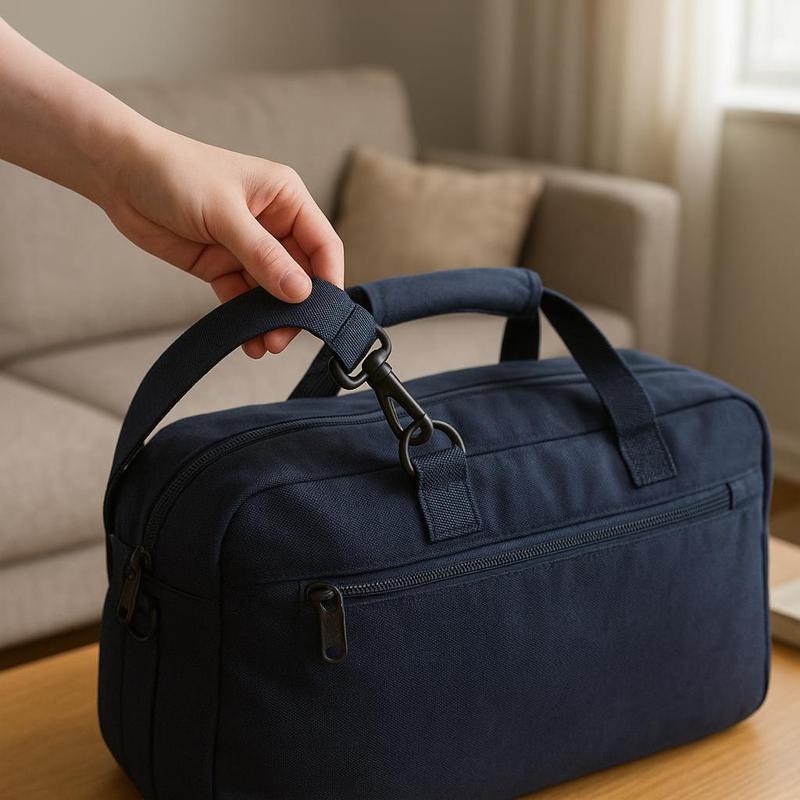
Travel and city walking. You carry the camera for hours but shoot in short bursts. A padded sling or wide shoulder strap keeps weight off your neck. Pair it with a well-organized camera bag or case so the strap and bag work together rather than tangle.
Events and weddings. You stand for long stretches with a heavier body and lens. A cushioned shoulder or sling strap with quick adjustment keeps the camera ready without neck fatigue.
Street photography. Speed and discretion matter. A slim wrist strap or a short, low-profile neck strap keeps the camera close and unobtrusive.
Hiking and outdoor work. A sling keeps the camera from swinging on uneven ground, and a moisture-resistant material handles weather. A protective cover helps shield the body from dust and light rain.
Studio and tripod work. You rarely carry the camera far, so the ability to detach the strap cleanly matters more than heavy padding.
7. Style and Compatibility
A strap is one of the few visible parts of your kit, so it is fair to want it to look good. Neutral colors such as black, charcoal and tan blend with most cameras and clothing, while leather and canvas suit retro bodies.
Before choosing, confirm the practical details:
- Attachment type. Check whether your camera uses strap lugs or a tripod socket mount.
- Intended load. Match the strap to your camera and lens combination.
- Adjustable range. Make sure the length suits your height and preferred carry position.
- Hardware quality. Look for sturdy connectors and secure stitching at stress points.
If you carry spare glass, a lens pouch or case keeps it protected while the strap handles the main body. To see how straps fit alongside other everyday essentials, you can browse the range at FrameLab.
8. Summary: A Simple Way to Decide
Choosing a strap is easier when you break it into three steps.
A strap that fits your body and your routine becomes invisible in use, which is exactly the goal. To compare options by style and material, explore the full selection of camera straps and pick the one that keeps you comfortable and ready to shoot.