
1. The Real Problem: Lights That Fail Mid-Shoot
Most creators do not struggle to find a portable camera light. They struggle to find one that keeps working the way they expected when a real shoot begins. The battery fades halfway through an interview.
These failures are rarely about quality alone. They come from choosing on a single number, usually brightness, and ignoring how the light behaves across a full day of use.
The goal is simple. By the end, you should be able to look at any compact light in the Portable Camera Lights range and judge whether it suits your own way of shooting, rather than relying on a headline specification.
2. Why Specifications Alone Mislead
A specification sheet describes a light under ideal conditions. Real shooting is different. You work in cold stairwells, warm cafés, windy rooftops and cramped hotel rooms.
Three habits help you read specifications more usefully:
- Treat every figure as a range, not a promise. Output at full power and output at a comfortable working level are different things.
- Ask what the number is measured against. A rating given at one distance means little if you shoot at another.
- Compare features that affect your workflow: dimming steps, color temperature range, charging method and mounting threads.
Once you start asking these questions, a light stops being a bright rectangle and becomes a tool with strengths and trade-offs you can weigh against your actual shoots.
3. Battery Life: Reading Run Time Honestly
Run time is the single most common source of disappointment. A light that lasts one hour at low power may last far less at full output.
Match run time to shoot length
Estimate how long the light will be on during a typical session. A quick portrait may need only a few minutes. A talking-head video or a livestream can need an hour or more.
Know your charging options
Lights that charge over a common cable are easier to top up from a power bank or laptop while you travel. Some lights can run while connected to power, which is useful for stationary desk work.
Build a simple power routine
Charge the night before, carry a compact power bank, and switch the light off between takes. These small habits extend usable time more than any specification ever will.
4. Brightness: Enough Output Without Waste
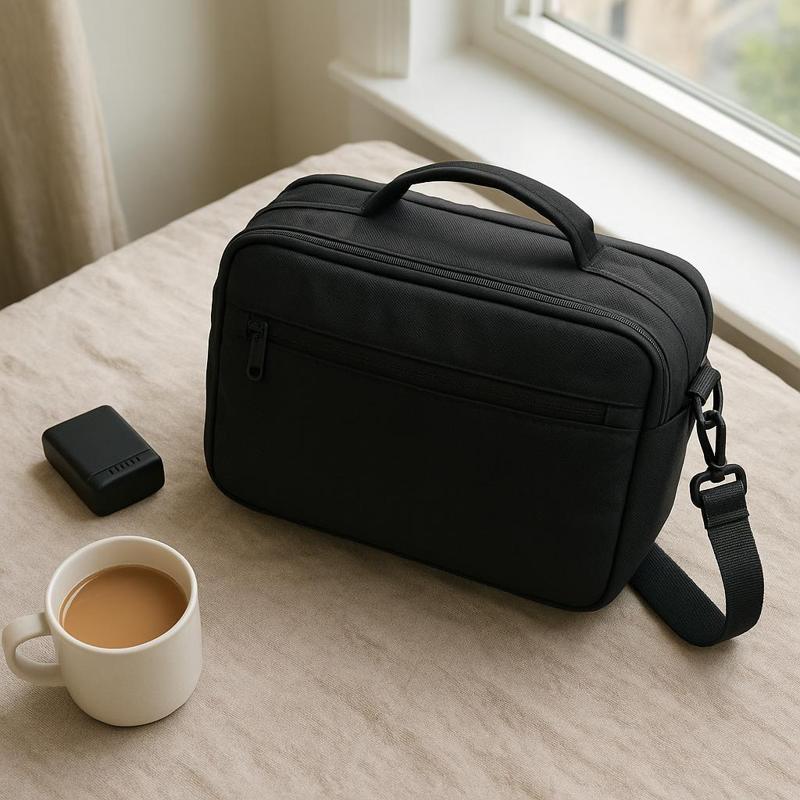
More output is not automatically better.
For close work, such as selfies or desk videos, a small light at moderate power is usually enough. For subjects a few feet away or for filling shadows in daylight, you need more headroom.
- Indoor close-ups: modest output with smooth dimming gives flattering, controllable light.
- Dim venues: extra output helps, but pair it with a stable camera support to avoid shake.
- Outdoor fill: bright sun competes with small lights, so keep the light close to the subject.
Adjustable color temperature is also worth checking.
If you want a broader range of adjustable panels, the LED video lights collection offers options to compare alongside compact camera-mounted units.
5. Size and Weight: Matching a Light to Your Carry
A light you leave at home lights nothing. Weight and bulk decide whether a light actually travels with you.
For on-camera use
A light mounted on a camera or phone rig adds weight at the front. A lighter unit keeps handheld shooting comfortable and reduces strain on mounts and clamps.
For bag storage
Measure the space you have. A flat, slim light slides into a pocket or divider easily. A thicker unit may need a dedicated slot. If your bag is already crowded, an organized layout helps; the camera organizer inserts collection is useful for giving each accessory a defined place so nothing gets crushed or forgotten.
Balance against purpose
A very small light is easy to carry but offers a smaller, harder source of light. A slightly larger panel produces softer illumination.
6. Mounting: Getting the Light Where It Works
Even a well-chosen light disappoints if you cannot position it well. Mounting options shape how flexibly you can place the light, so check them early.
Look for standard mounting points, such as a cold shoe or a threaded socket, so the light fits a range of accessories. A light that tilts and locks securely is far easier to aim than one with a loose joint.
Three practical placement ideas:
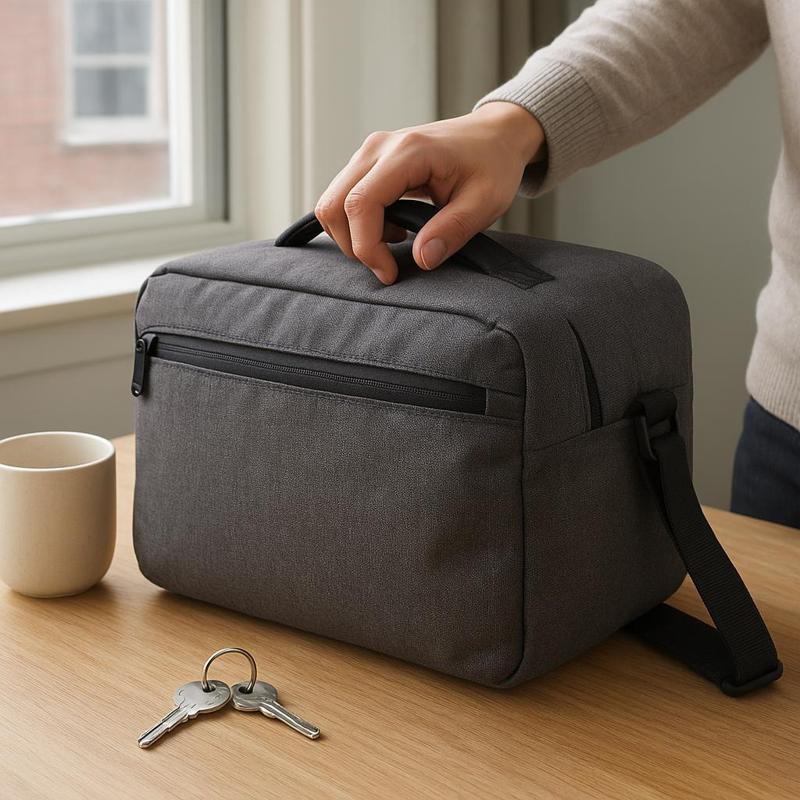
- On camera: quick and simple, though it produces flatter light because it comes from the same direction as the lens.
- Off to one side: raising and angling the light adds shape and depth to a face.
- Behind the subject: a gentle rim of light separates the subject from the background.
To attach a light to a rig or add a second one, camera mounts and clamps let you secure lights to desks, rails and stands without improvised fixes. Secure mounting also protects the light itself from drops.
7. Care and Storage for a Longer Service Life
Portable lights are small and often handled roughly. A few simple habits keep them reliable for years.
Protect the surface
Dust and fingerprints on the diffuser can dull and uneven the light. Wipe it gently with a soft, clean cloth. Avoid harsh chemicals, which can mark plastic or coatings.
Treat the battery kindly
Avoid leaving the light fully drained for long periods. If you will not use it for weeks, store it with a partial charge in a cool, dry place.
Pack it properly
Store the light in a padded pocket or case so the buttons and ports are not pressed or scratched. Keep the charging cable with it so you never arrive on location without one.
Inspect before you travel
A quick test at home, checking power, dimming and color changes, saves you from discovering a problem on location. Replace damaged cables rather than hoping they will hold.
8. Pre-Shoot Checklist and Summary
Before you head out, run through a short checklist:
- Is the light charged, and do you have a backup power source?
- Have you tested the output at the level you plan to use?
- Does your mount hold the light securely at the angle you need?
- Is the diffuser clean and the light packed where it will not be crushed?
To recap, choosing a portable camera light is less about chasing the highest number and more about fit.
When you are ready to compare options, you can browse the full range at FrameLab and select the compact lights that match your own shooting style. A thoughtful choice now means fewer surprises on location and more consistent, flattering results in every video and photo you make.