
1. Why Dusty Shoots Leave a Different Kind of Mess
A fingerprint on a lens is an easy fix. A gritty film left by a windy beach, a dry trail or a construction site is another matter.
This guide covers one specific reader problem: how to clean your gear safely after a dusty or sandy shoot, using the tools in a camera cleaning kit. It focuses on sequence and technique rather than listing every item a kit might contain.
The core principle is simple. Remove loose particles first, treat residue second, and never rub abrasive grit into a surface. Every step below follows from that idea.
2. What Actually Causes Streaks and Scratches During Cleaning
Most cleaning damage is self-inflicted. It rarely comes from the dirt alone. It comes from the way the dirt is handled afterward.
- Wiping dry grit. A cloth pressed over sand acts like fine sandpaper. Coatings on modern lenses are durable, but they are not scratch-proof.
- Reusing a soiled cloth. A cloth that has collected oils and particles redistributes them. The result is hazy streaks that look worse than the original smudge.
- Applying too much fluid. Liquid can creep toward the edge of the front element and into the barrel. Fluid should dampen the cloth, not the glass.
Understanding these three causes explains why a methodical routine matters more than any single product.
3. The Order of Operations: From Loose Grit to Stubborn Film
Work from the least contact to the most. This sequence keeps risk low at every stage.
- Power down and remove accessories. Turn the camera off, take off the strap if it traps dust, and remove the lens cap or hood.
- Blow off loose debris. Use an air blower on the front element, rear element, mount area and body seams. Hold the camera so dust falls away rather than settling in.
- Brush what remains. A soft brush lifts particles that air alone did not release. Use light sweeping motions, not pressure.
- Blow again. Brushing can shift particles onto the glass. A second pass clears them.
- Treat residue. Only when the surface is free of loose grit should you move to a damp cloth or lens tissue for oils, salt film or smears.
- Finish with a dry polish. A clean microfiber section removes any trace of moisture.
If you are unsure which tool matches which contaminant, our earlier explainer on kit contents covers that mapping.
4. Using the Blower, Brush and Cloth the Right Way
Each tool has a specific technique. Small adjustments make a visible difference.
The blower
Squeeze in short, firm bursts and keep the nozzle a few centimeters from the surface.
The brush
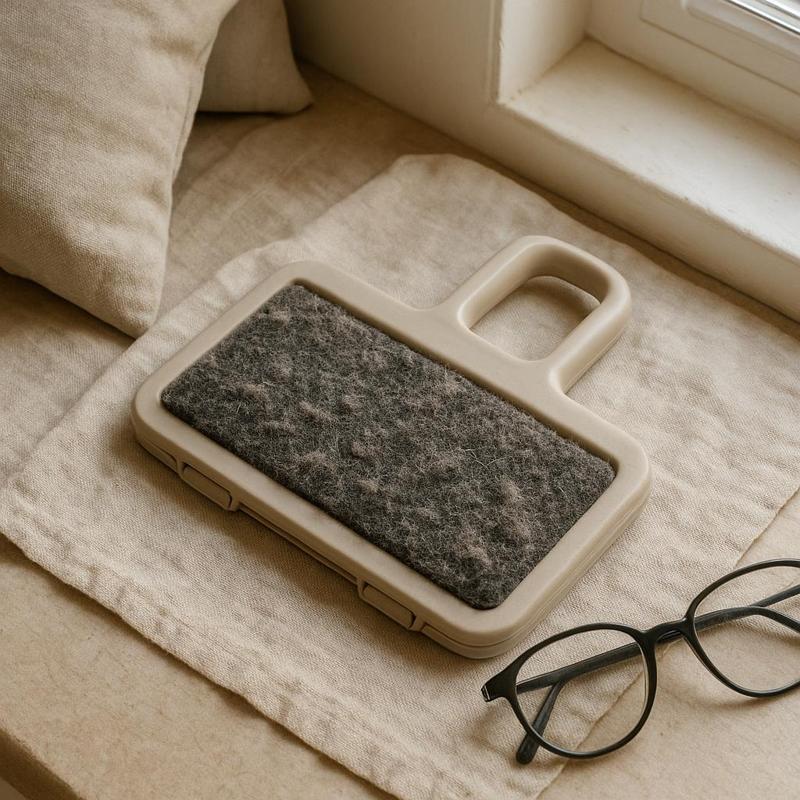
Keep the brush bristles dry and free of oil. Do not touch the bristles with your fingers, because skin oil transfers to the glass on the next pass.
The cloth and tissue
Fold the cloth so you always present a fresh section. Start in the center of the lens and spiral outward with minimal pressure. For stubborn marks, apply a few drops of cleaning fluid to the cloth, not the lens. If you want dedicated implements for glass and coatings, the range of lens cleaning tools offers options built for optical surfaces.
Resist the urge to press harder when a mark does not lift. Repeat gently with a clean section instead.
5. Dealing With Salt Spray, Sand and Fine Desert Dust
Different environments leave different residues, and each calls for a slight adjustment.
Salt spray and sea air
Salt dries into a thin crystalline film. Dry brushing alone will not remove it, and wiping it dry can scratch.
Beach sand
Sand is coarse and heavy. Tap the gear gently, blow aggressively around seams, and inspect the focus and zoom rings for trapped grains.
Fine dust and pollen
Very fine dust clings through static. A brush followed by a blower usually clears it. If a haze remains, treat it as a film and use the damp-cloth step.
Protecting gear before the next dusty shoot
Prevention reduces how often you need to clean. A fitted cover shields the body from airborne grit, and the selection of camera protective covers is a sensible companion to any cleaning routine, since less dust landing on the camera means fewer cleaning sessions overall.
6. Building a Compact Kit That Fits Your Bag
A kit only helps if you carry it. Bulky sets get left at home, and that is when gear stays dirty for weeks. Aim for a minimal field kit and keep fuller supplies at home.
A practical field kit usually includes:
- A small hand blower
- A soft retractable or folding brush
- One or two microfiber cloths in a sealed pouch
- A few single-use lens tissues
- A small bottle of lens-safe cleaning fluid, if you travel by road rather than air
Where you store it matters as much as what is in it. Keep the pouch in an easy-to-reach pocket so you use it promptly after a dusty session rather than burying it at the bottom of the bag. If your current bag has no logical spot for it, camera organizer inserts can create a dedicated compartment so the kit stays accessible and clean.
Check any liquid you carry against airline and travel rules before flying. For trips where fluids are awkward, dry tissues and a blower still cover most of the routine.
7. Care Habits That Keep the Kit Itself Clean
A contaminated tool makes things worse. Treat the kit as part of your gear, not an afterthought.
- Wash microfiber cloths regularly. Use mild soap, rinse thoroughly and air dry. Skip fabric softener, which leaves a greasy film that smears across glass.
- Retire worn cloths. A cloth that has become stiff, frayed or permanently stained should be replaced.
- Keep brushes covered. An exposed brush collects dust and oils. A closed pouch or retractable design prevents that.
- Use tissues once. Single-use means single use. Reusing a tissue puts trapped grit back on the glass.
- Store the blower with the nozzle sealed or pointing down. Dust inside the bulb gets blown straight onto your lens.
These habits take a couple of minutes after each shoot and prevent the slow buildup that eventually damages coatings.
8. Summary and Next Steps
Dusty and sandy shoots are manageable when you follow a consistent order.
Environment matters too. Salt needs dissolving, sand needs careful removal from rings and seams, and fine dust usually yields to a brush and blower.
When you are ready to assemble or refresh your own routine, browse the cleaning and care range at FrameLab and choose the pieces that suit the way you shoot.