
A bag that looked perfect on the product page can still ruin a shoot day. The usual complaint is not about protection.
1. Why a Good Bag Still Fails on the Street
Most bag problems come from a mismatch between the bag and the routine, not from poor construction. A deep backpack suits a studio day, where you set down your bag and unpack everything.
Three failure patterns appear again and again:
- Everything fits, but nothing is reachable without unpacking.
- The bag is protective but carries unevenly, so you stop using it.
- Small items drift together, so hard edges press against glass and screens.
Fixing these starts with defining how you work, then selecting the bag, rather than the other way round.
2. Weight, Access and the Three-Zone Idea
Think of any bag as three zones. The quick zone holds what you grab constantly: the camera body with a lens attached, plus one spare.
Place the heaviest items close to your back and centered, because weight pulled away from the spine multiplies fatigue. Keep the quick zone on the side or top that opens fastest.
When a day's shooting involves long walks, a shoulder bag that holds one camera and two lenses is usually more sustainable than a large pack.
3. Sizing a Bag From the Shot List, Not the Gear List
Buyers often size a bag to everything they own. A better method is to write the shot list for a typical outing and pack only what it needs.
Measure your longest lens with the hood reversed and your widest piece of equipment, then compare these against the interior dimensions of any bag you consider.
- Adjustable dividers that can be repositioned without tools.
- Padding thick enough to stop a lens barrel contacting the shell.
- A laptop or tablet sleeve only if you actually travel with one.
- Zip pulls you can operate with gloves on.
Leave roughly a quarter of the volume free. A full bag cannot absorb new items, and cramming forces hard edges against soft surfaces. The camera bags and cases collection is organized around different carrying formats, which makes it easier to compare shells, slings and packs against your own list.
4. Where Lights, Mics and Small Support Gear Go
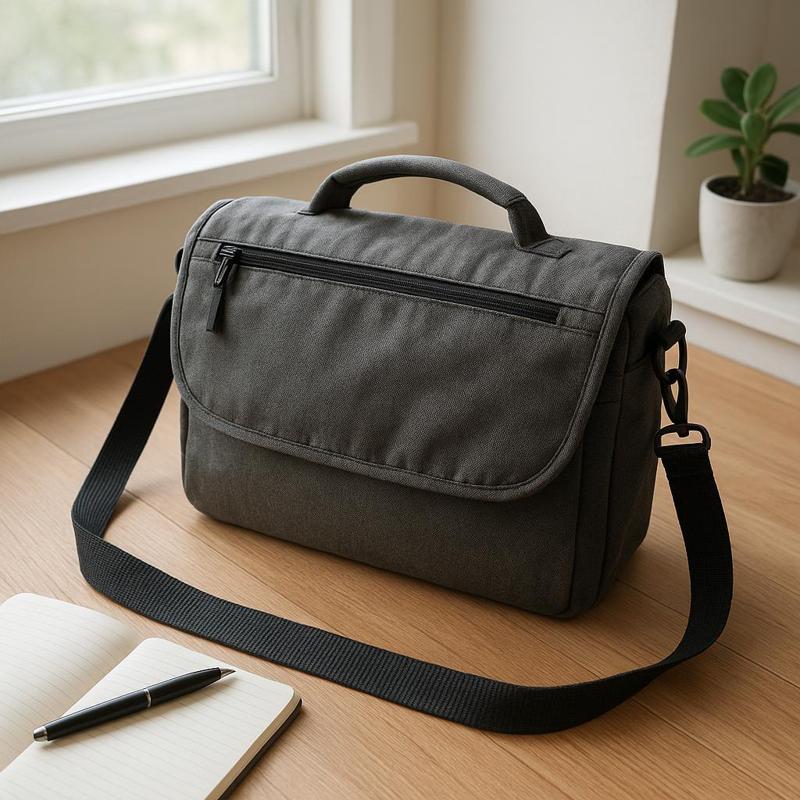
Mobile creators carry more than a camera. A compact light, a microphone, a mount and a few cables all compete for space, and this is where bags usually descend into chaos.
Soft, flat items such as a wrapped cable or a light diffuser belong against the bag wall.
If you shoot video, check that a compact panel such as those in the LED video lights range fits flat without bending its handle or knob. Likewise, a microphone and its windscreen should never be stored with the capsule facing a zip, since repeated pressure can deform fine foam or mesh.
For clutter that keeps moving, an interior system helps. Fitted organizers split a single open compartment into stable cells, and camera organizer inserts are designed to do exactly this inside a compatible bag, so you can reuse a favorite bag as your kit evolves.
5. Case Types: Shells, Slings, Backpacks and Pouches
Each format solves a different problem, and the honest answer is that many creators end up using two.
Hard shell cases offer crush and impact resistance, useful for checked luggage, vehicle transport or fragile stationary kits. They are less comfortable to carry and slower to access, so they suit transport more than active shooting.
Sling and shoulder bags rotate to the front, letting you swap a lens without taking the bag off. They suit street, event and travel photography, where speed matters more than capacity.
Backpacks distribute weight across both shoulders and carry the most. They suit hikes and long days, though side or back access panels are worth checking.
Pouches and inner cases protect individual items within a larger bag. A padded wrap for a single lens turns any everyday bag into a camera bag when you need it to, and lens pouches and cases are a sensible add-on when you want to keep glass isolated from everything else.
A practical pairing for many creators is a compact sling for daily use and a larger pack for planned shoots. The sling keeps you light and the pack provides reach.
6. Padding, Dividers and the First-Aid Layer
Protection comes from three things working together: the outer shell, the internal padding and the arrangement of items.
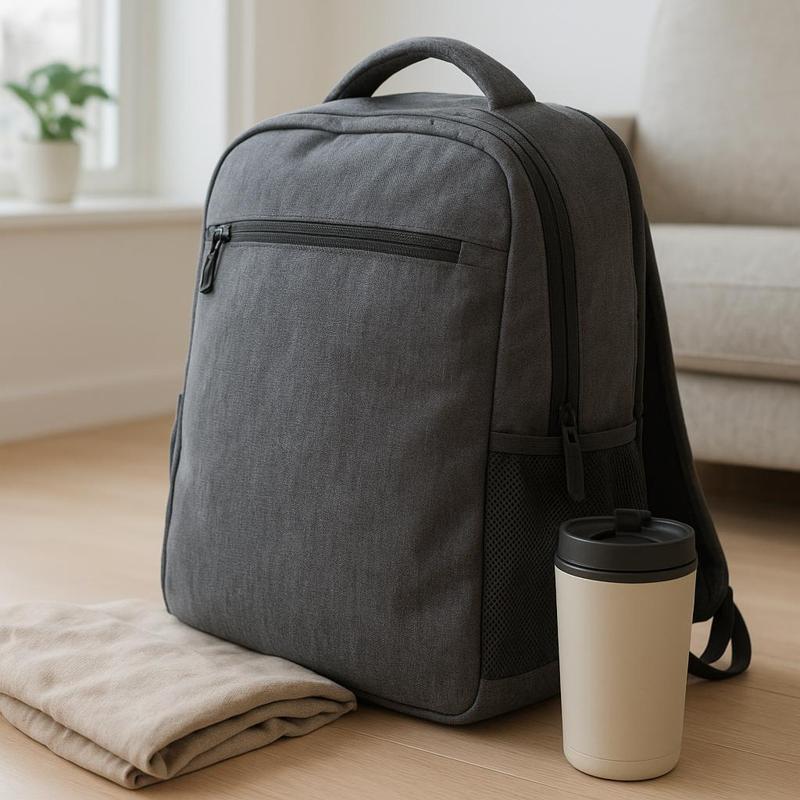
Follow these loading habits:
- Lenses go in individual cells with caps on at both ends.
- The camera body rests with the lens mount covered, never face down on a bare surface.
- Memory cards stay in a dedicated sleeve rather than loose in a pocket.
- Cables are loosely coiled and stored in a mesh pocket, away from glass.
- Batteries and cards: charged and formatted, with a spare of each in the working zone.
- Quick zone: camera and primary lens ready, caps stowed.
- Weight check: lift the bag and walk a few steps. If it feels heavy now, it will feel worse in two hours.
- Hard edges: confirm no clamp or mount presses against glass or a screen.
- Zips and straps: everything closed, buckles clicked, nothing dangling.
Add a thin first-aid layer for gear: a lens cloth, a blower and a spare cap in an outer pocket. This takes almost no space and handles most small problems on location.
7. Weather, Moisture and the Care Routine
Bags age when they are packed damp and left closed. Moisture gets trapped, fabric develops odor and zip tracks corrode. A short routine prevents most of this.
After a wet or humid shoot, unpack everything and leave the bag open to air-dry, away from direct heat. Wipe the interior with a dry cloth and let the dividers dry separately.
For rain, a built-in rain cover or a water-resistant outer fabric buys time, but it does not make a bag waterproof at the seams.
Check straps and stitching at the same intervals. Pay particular attention to the anchor points where shoulder straps meet the bag body, because that is where weight stress concentrates.
8. A Five-Minute Packing Check Before You Leave
A short ritual removes most surprises. Run through it each time, until it becomes automatic:
When a route changes, adjust the loadout rather than forcing the same bag to fit every situation.
9. Summary
Choosing a camera bag well means starting with your route and your shot list, not with the size of your collection.
If you are building or rethinking a kit, the FrameLab store brings together bags, inserts and companion accessories so you can plan the whole carrying system in one place.